
How to Learn AI Architecture by Building Real Projects
Includes 24.4 GB of high-quality content
Artificial intelligence can feel like a maze of buzzwords, tools, frameworks, and half-explained tutorials. One video talks about models, another jumps into deployment, and a third assumes you already understand data pipelines, debugging, and neural networks. That is exactly why so many people stay stuck in learning mode without ever building anything useful.
A better path is practical, structured, and focused on real implementation.
When a learning path is built around 23 hours of practical development, hands-on case studies, debugging guidance, and real project workflows, it sends an important message early: this is not about collecting theory. It is about learning how AI systems actually come together in the real world.
Get Instant Access to the Training
Access the training materials, follow the lessons step by step, and start learning with practical guidance.
Get Instant AccessIncludes lessons and practical learning materials.
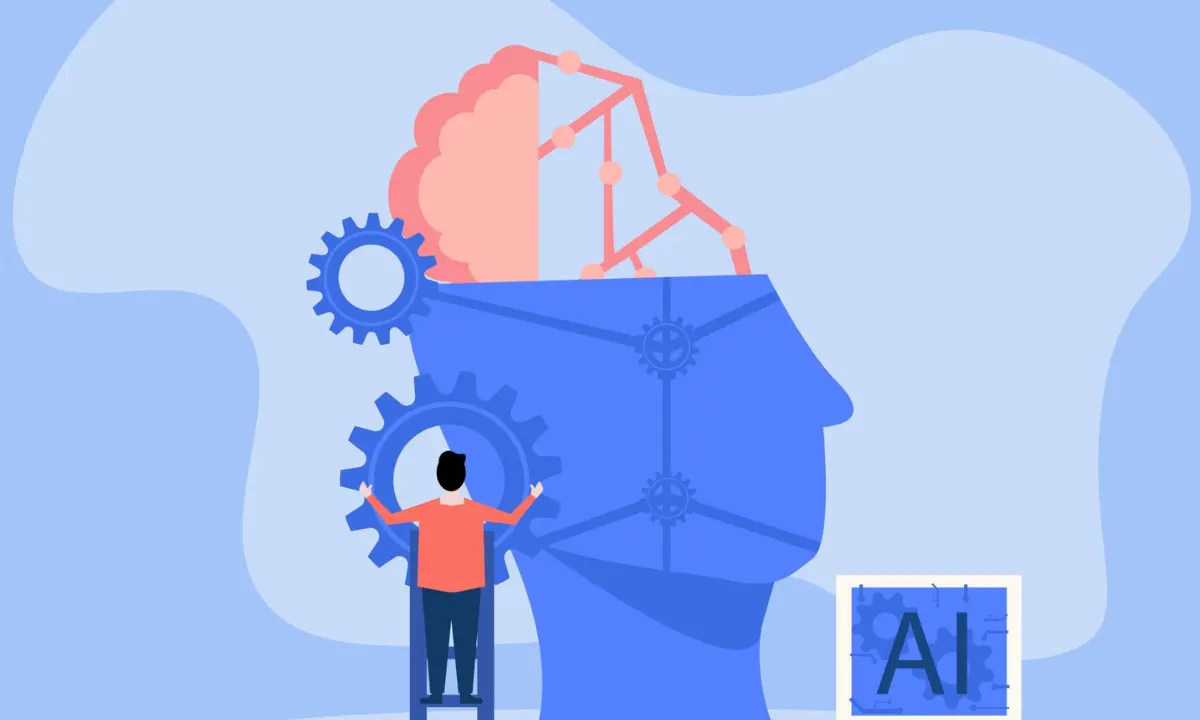
Why AI Architecture Matters More Than Ever
Learning how to use AI tools is helpful. Learning how to design AI solutions is far more valuable.
AI architecture is what connects the pieces. It helps you understand how data flows, how models are selected, how systems scale, how errors are handled, and how an idea becomes a working application. Without that architectural view, many learners end up knowing isolated concepts but struggling to build something complete.
That is why practical AI architecture matters so much. It teaches you to think beyond single scripts or toy examples. You begin to understand how real systems are structured, tested, improved, and deployed.
The Problem With Scattered AI Learning
A lot of people who want to enter AI make the same mistake: they consume content from everywhere but build nothing end to end.
The result is familiar:
- too much jargon
- too many disconnected tutorials
- not enough real practice
- constant confusion about what to learn next
- little confidence when facing actual datasets or debugging issues
This scattered approach makes AI feel harder than it needs to be. The issue is not always the complexity of the field. Often, it is the lack of a clear sequence.
A structured roadmap changes that. Instead of jumping randomly between topics, you move through the foundations, the workflows, and the practical challenges in an order that makes sense.
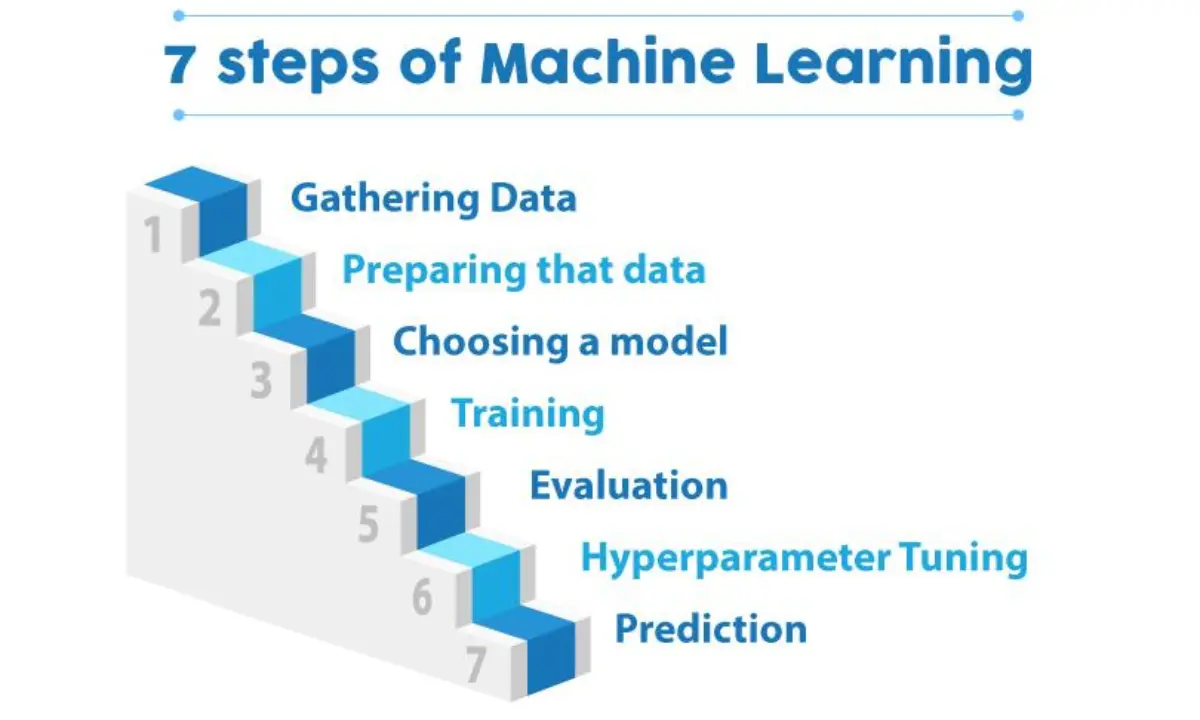
Start With the Foundations, but Build Quickly
You do not need to begin as an expert. Practical AI learning can start from zero and still lead toward real capability. The emphasis is not on academic intimidation. It is on building understanding step by step.
That means learning essentials such as:
- how models, algorithms, and data work together
- what weights, biases, and activation functions actually do
- how datasets are prepared for training
- how to move from concept to implementation without getting overwhelmed
The key is to avoid getting trapped at the theory stage. Foundations matter, but they become more useful when they are immediately tied to practice.
Why Project-Based Learning Works So Well in AI
The fastest way to understand AI architecture is to build with it.
Project-based learning forces clarity. Once you start creating real systems, abstract concepts stop floating in the air. They become concrete decisions:
- How should the data be cleaned?
- Which model is suitable here?
- What happens when results are poor?
- How do you debug a failing pipeline?
- How do you improve performance?
- How do you move from experimentation to deployment?
This kind of learning is especially powerful because it mirrors how AI work happens outside the classroom. Real progress comes from testing, adjusting, debugging, and improving.
Learning to Handle Data Like a Builder
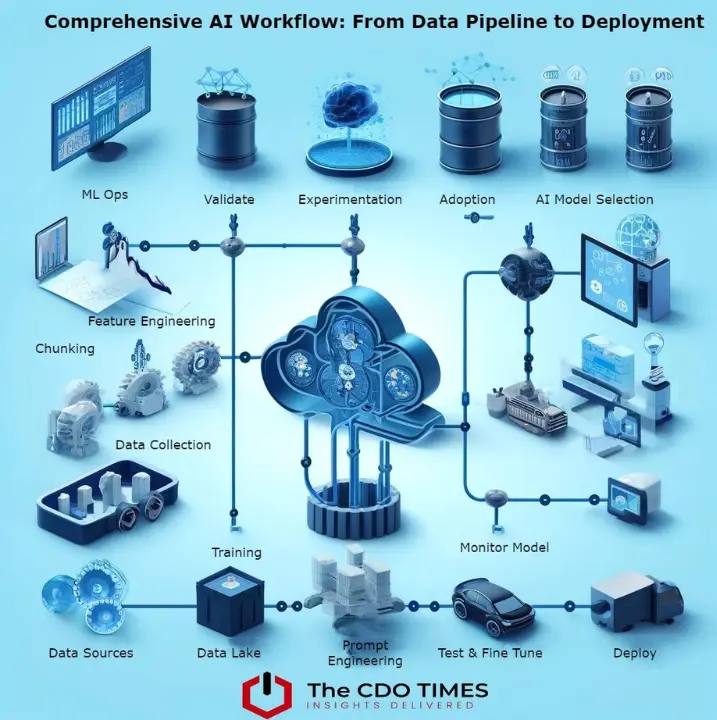
AI development is not only about models. It is also about how data moves through the system.
When you learn AI architecture properly, you start paying attention to:
- efficient data loading
- preprocessing workflows
- memory-aware batching
- augmentation strategies
- checkpointing and recovery
- distributed data handling
These are the kinds of skills that make projects more realistic and more scalable. They also make debugging much less painful.
Real-World AI Projects Build Real Confidence
Practical AI training becomes much more effective when it includes multiple use cases instead of one narrow example.
Useful project directions can include:
- recommendation-style systems
- natural language processing and chatbots
- sentiment analysis
- forecasting and trend prediction
- image classification
- troubleshooting and optimization during development
This variety matters because it exposes learners to the breadth of AI application design. It also helps people discover where their interests are strongest.
Debugging Is a Skill, Not a Side Note
Many people imagine AI learning as model training and results. In reality, a huge part of practical development is fixing things when they break.
That includes:
- bad data formatting
- unstable training behavior
- memory issues
- poor model outputs
- version conflicts
- workflow mistakes
- deployment errors
A strong practical learning path does not hide these problems. It includes them.
A Better Path for Busy Learners and Career Changers
A practical roadmap works especially well for adults with full lives, different learning speeds, and career-change goals. It offers a clear sequence, bite-sized lessons, self-paced progression, practical milestones, and visible outcomes from each stage.
This makes the learning process feel manageable instead of chaotic.
For many learners, motivation increases when the path feels real. You are not just reading about AI. You are building workflows, solving technical problems, and seeing progress in action.
What You Really Gain From Learning AI Architecture
The biggest transformation is not just technical knowledge. It is mindset.
You start thinking like someone who can design solutions.
That includes the ability to:
- plan modular AI systems
- structure workflows more clearly
- work with larger datasets more efficiently
- write cleaner, more reusable code
- troubleshoot more calmly
- keep learning as tools and libraries evolve
Final Thoughts
AI can absolutely feel intimidating at first. There is too much noise, too much hype, and too many disconnected learning paths. But when the focus shifts to structured, hands-on development, the fog starts to clear.
A practical roadmap built around real projects, guided workflows, debugging experience, and implementation depth can do something powerful: it turns AI from a confusing subject into a skill you can actually use.
If you want to learn AI architecture in a way that feels grounded, motivational, and real, the smartest move is to stop chasing scattered tutorials and start building. That is where understanding deepens, confidence grows, and meaningful progress begins.
Get Instant Access to the Training
Access the training materials, follow the lessons step by step, and start learning with practical guidance.
Get Instant AccessIncludes lessons and practical learning materials.